No Results Found
The page you requested could not be found. Try refining your search, or use the navigation above to locate the post.

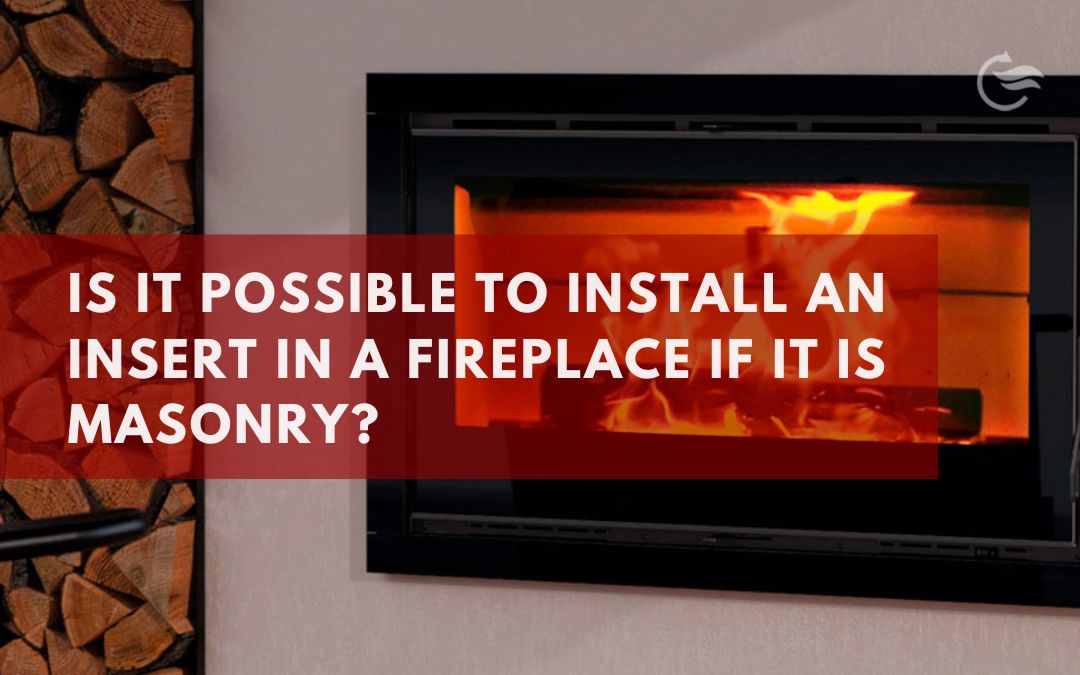
Then you’ve probably thought about the possibility of installing one in your own fireplace to enjoy all their advantages: greater efficiency, fuel savings, a faster feeling of comfort… But you might be wondering: What if my fireplace is masonry? Can I install an insert in a masonry fireplace?
Below, we answer this question—so pay attention!
An insert, also called an insertable unit, is a combustion chamber equipped with turbines or fans at the bottom. This chamber is installed in fireplaces with the goal of improving efficiency and performance. Combustion will improve significantly, and if you choose a model with turbines, they push the already heated air upward and distribute it throughout the room, creating a warm feeling much more quickly.
It’s worth noting that the fans usually have multiple settings to increase or decrease the airflow speed, allowing you to regulate the air output.
As you can see, installing an insert is a great idea. But if you want to do it in a masonry fireplace, you might not be sure whether it’s possible or not. The answer is yes! It is indeed possible to install an insert in a masonry fireplace—and in fact, they are designed for this purpose. However, don’t try to do it yourself! Make sure to hire professionals who will handle the installation to achieve the best result.
Some points you should keep in mind if you want to install an insert cassette in your masonry fireplace are:
So now you know: if you are thinking about adding an insert to your masonry fireplace, go for it! You’ll see how the efficiency of your fireplace multiplies without sacrificing its aesthetics or charm. You won’t want to leave your fireplace all winter long!
Download our stove and fireplace catalog and discover a wide range of possibilities.
RELATED ARTICLES
The page you requested could not be found. Try refining your search, or use the navigation above to locate the post.
You’ve probably read or heard a lot about how to start a fire in a fireplace, but have you ever stopped to think about how to keep the perfect fire going?
Once you know how to successfully light a fire in your fireplace, the next step is learning how to maintain it.
The flame should remain steady—not too low, not too high—to maintain a comfortable temperature that brings warmth and coziness to the room. This may sound simple, but mastering fire control has its nuances. Should you add a lot more wood? How often? What do you do when the fire starts to die down? How do you revive it?
These are some of the most common questions when it comes to fire maintenance. Creating a good fire isn’t just about throwing in some wood and lighting it. To keep a strong, steady fire going, there are three key factors to consider:
1. The Firewood
Let’s start with the basics—the firewood you put in the fireplace. Ideally, use medium-density logs. Hardwoods or slow-growing trees burn more slowly and produce a less lively flame (e.g., olive, beech, holm oak). On the other hand, softwoods or fast-growing trees generate fewer kW and burn very quickly (e.g., ash, poplar, willow). If medium-density wood isn’t available, you can mix hardwoods and softwoods for a more balanced burn. And remember—dry wood is essential! The more moisture in the wood, the less heat it provides, and the more smoke and soot it generates.
2. Airflow Regulation in the Fireplace or Stove
Air intake is another important variable. When starting the fire, the air draft should be fully open to ignite the wood. Once the fire is established and producing heat, gradually reduce the primary air intake.
3. Chimney Flue Cleaning
Keep the chimney and flue clean—not only for safety but also for efficient combustion. Consult qualified professionals for cleaning and chimney sweeping services.
In any case, CARBEL manuals provide detailed instructions on how to use your stove or fireplace correctly.
With these three tips, along with proper fire starting, you’ll be able to keep your fire burning longer.
RELATED ARTICLES
The page you requested could not be found. Try refining your search, or use the navigation above to locate the post.
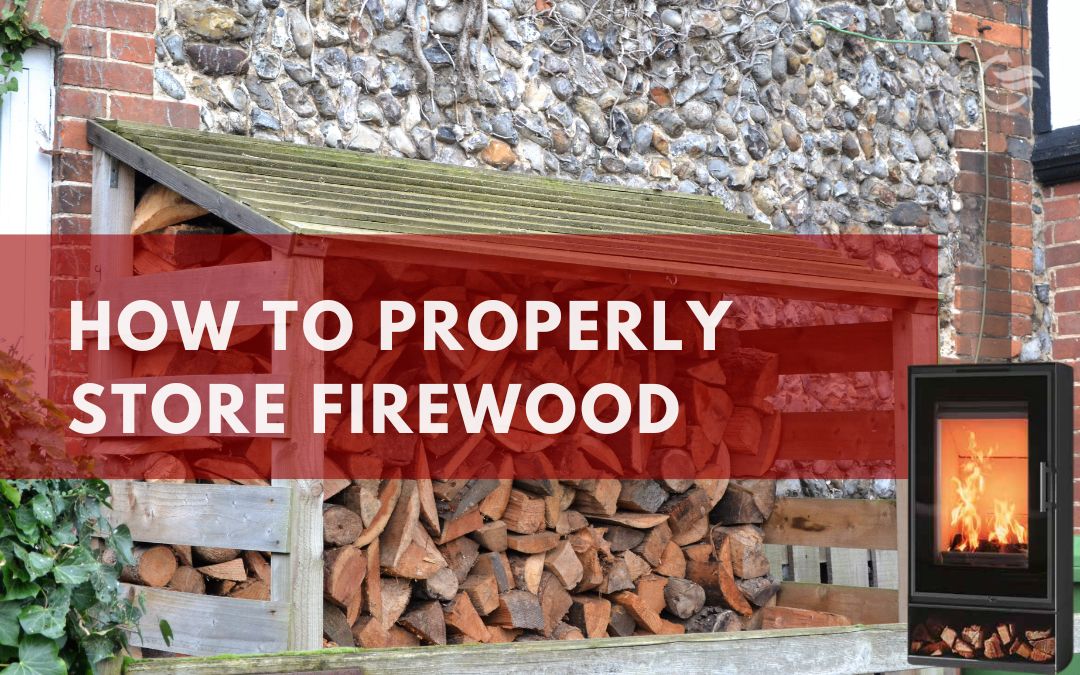
When summer arrives, you might find yourself wondering: what should I do with the firewood? Maybe you have some leftover from the previous season, or you’ve started stocking up for when the cold returns. Either way, it’s essential to store the firewood correctly in the meantime. Do you know how to do it properly?
(more…)
Stoves have been used for centuries to heat spaces around the world. In ancient Greece and Rome, braziers and ovens were used to heat rooms, while during the Middle Ages, cast iron stoves were mainly used in churches.
In the 18th century, designers began experimenting with different types of stoves, leading to the invention of the first modern stove, the Franklin Stove, which became popular in the United States thanks to Benjamin Franklin.
During the Industrial Revolution, cast iron stoves became a luxury item for the middle class and were designed with ornamental elements, turning them into decorative pieces as well. Kerosene stoves were also invented in Europe, allowing people to heat their homes without using wood or coal.
By the late 19th century, stoves had become smaller and more portable, allowing people to move them from room to room. Gas stoves were also invented, becoming very popular in households worldwide due to being cleaner, safer, and more efficient than the coal and wood stoves of the time. In the 1930s, the first electric stove was invented—easy to use, portable, and free from smoke and toxic gases.
Today, wood-burning stoves have evolved to become increasingly efficient and safe, thanks to advanced technologies such as double combustion systems and ventilation systems.
If you’re looking for a high-quality and efficient wood-burning stove, Carbel stoves—manufactured in Spain using high-quality materials and offering a wide variety of models and innovative features—are your best option for many reasons:
High efficiency in wood combustion, resulting in lower fuel consumption and greater heat output.
Innovative and attractive design that makes them a decorative element for any home.
A wide range of wood stove models, allowing customers to choose the one that best suits their needs.
Advanced technology, providing higher efficiency and lower environmental impact.
Easy maintenance, allowing customers to enjoy their stove for many years.
Check out our Carbel stove section and discover all the features to help you choose the one that best fits your needs.
RELATED ARTICLES
The page you requested could not be found. Try refining your search, or use the navigation above to locate the post.
If you’re inexperienced, lighting a wood-burning fireplace can be a bit tricky. At Carbel, we’re here to give you several tips and guidelines to make the process easier.
There are different types of wood, and depending on what kind you use, lighting your fireplace may be more or less difficult. The most important thing is to use dry wood.
1. Make safety your first priority.
Keep any flammable objects away from the fire area to avoid accidents.
2. Make sure the vents are open.
Good ventilation is key. Open vents help smoke escape properly and reduce the risk of hazards.
3. Place the wood inside the fireplace.
As mentioned, use dry wood. Moist wood can cause the fire to go out easily and produce excessive smoke.
How much wood should you use?
Don’t overdo it. Fire needs oxygen to burn, and too much wood can block airflow and smother the flames.
A couple of logs along with some small twigs should be enough to get started. You can add more wood later as needed.
4. Build your wood pile properly.
Place the smaller twigs at the bottom and the larger logs on top, forming a stack. The thin twigs catch fire quickly and help sustain the flame until the larger logs begin to burn.
At this stage, you can also use firelighters or crumpled newspaper to make lighting easier.
5. Create airflow inside the fireplace.
You’ve probably heard that blowing on a fire helps it ignite. That’s because airflow helps bring oxygen to the flames, which is essential for combustion. Without it, smoke can displace the oxygen and hinder the fire.
Creating a gentle draft inside the fireplace—or using a bellows to direct air toward the fire—will make it much easier to get things going.
At Carbel, our fireplaces feature a primary air intake system with more than 50% opening through the grate, making it easier to start or revive the fire.
RELATED ARTICLES
The page you requested could not be found. Try refining your search, or use the navigation above to locate the post.