How to Bake Bread in Your Wood Stove with Oven

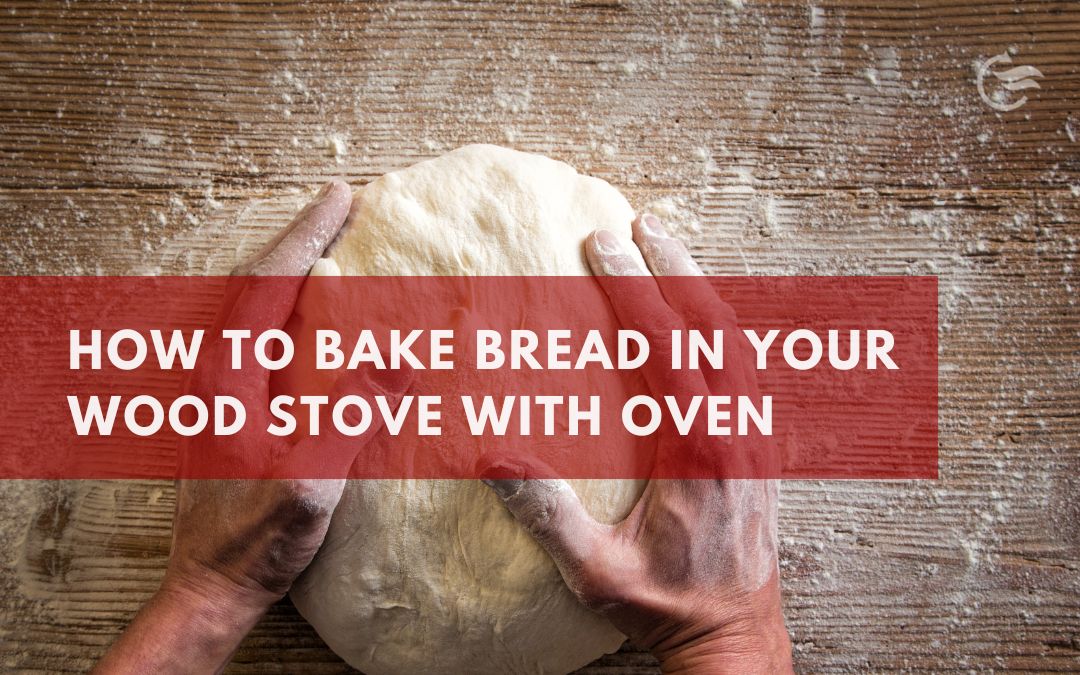
How to Bake Bread in Your Wood Stove with Oven

Who doesn’t love bread?

The combination of its aroma, flavor, and the sound of the crust when it crackles makes our mouths water. There’s nothing better than buying a good loaf to make sandwiches, toast, or tapas… except baking your own bread in your wood stove with an oven.

Stoves with ovens are one of the best options available for cooking. Depending on the model you have at home, your oven’s capacity can be quite large, allowing you to bake several batches of bread at once. But it’s not just the size that makes these stoves stand out. Typically, they feature an easy-to-clean system, so if you’re worried about making a mess in the oven, don’t worry—you can easily disassemble it for proper cleaning. Finally, it’s worth noting that the oven’s lining is made of stainless steel with a refractory base and a thermometer, which helps improve both performance and energy efficiency.

Given all that, if you want to get the most out of your stove with oven and learn how to bake homemade bread with the unique flavor of wood fire, keep reading. We’ve got the perfect recipe—and the result will surprise you!

Steps to Make Homemade Bread in Your Stove with Oven

Making homemade bread with your stove oven is very simple. Once you try it, you won’t be able to resist testing other oven-stove recipes! To start, you’ll need the following ingredients:

  • 600 grams of all-purpose wheat flour

  • 400 grams of strong (bread) flour

  • 450 milliliters of warm water

  • 20 grams of yeast

  • Half a teaspoon of salt

Now just follow these steps:

  1. In a bowl, mix the two types of flour, sifting them to avoid lumps, and add the salt. Then add the yeast and mix again.
  2. Create a well in the center of the mixture and slowly start adding the water while mixing with a whisk or mixer until the dough forms. If the dough seems too dry, add more water; if too wet, add more flour.
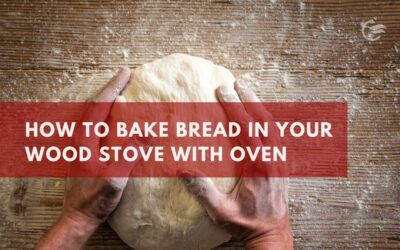
  3. Time to unleash your inner baker and knead the dough: sprinkle a bit of flour over the dough and knead by hand for about ten minutes. Shape it into a ball, cover it with a damp cloth, and let it rise for one hour. Then repeat the process: knead for another ten minutes and let it rise for another hour.
  4. Time to place the bread in the oven! Make sure it’s nice and hot, then simply put the dough inside and bake for thirty minutes.
  5. Now comes the best part: take the bread out, let it cool, and decide how you want to enjoy it.

With this recipe, you’ll get a delicious result and make the most of your stove with oven. What are you waiting for? It’s a piece of cake—well, bread!

SHARE ON YOUR SOCIAL NETWORKS

RELATED ARTICLES

Preventive maintenance for your fireplace

Preventive maintenance for your fireplace

Did you know that maintaining your fireplace in summer is essential to ensure you can use it in winter?

That’s right—after months of use, it’s necessary to clean it and leave it in good condition. It’s also important to prevent any issues that may arise during its idle period. This way, it will be ready to work perfectly again next winter.

And you—do you know what fireplace maintenance in the warmer months involves? Let’s break it down for you, so keep reading!

How to Keep Your Fireplace in Good Condition Over Summer for the Next Winter

To make sure your fireplace is ready for winter, you should carry out preventive maintenance during the summer. This maintenance is very simple and consists of only three steps:

1. Keep your fireplace flue clean


Soot gradually builds up inside the flue, affecting the draft and performance. It’s important to have it swept at least once a year.

A proper chimney sweep will improve efficiency and performance. Always rely on professionals to ensure an optimal result.

2. Check the fiberglass gaskets


Gaskets are seals installed on fireplace doors so that, when closed, the inside remains airtight.

Over time, these gaskets can deteriorate, allowing air to enter the combustion chamber. This can harm combustion efficiency, reduce performance, and make it harder to control the fire.

It’s a good idea to check their condition at the end of winter and replace them if necessary.

3. Inspect the inside of your insert or stove


Lastly, check the condition of the inner vermiculite panels, refractory material, or baffles.

These components are in direct contact with the fire, so they may experience more wear. Always seek professional advice when inspecting or replacing them.

So now you know—follow these three steps, and your fireplace will be ready to work perfectly again when winter arrives.

SHARE ON YOUR SOCIAL NETWORKS

RELATED ARTICLES

No Results Found

The page you requested could not be found. Try refining your search, or use the navigation above to locate the post.

How to prevent smoke in your fireplace

How to prevent smoke in your fireplace

One of the main concerns for homeowners installing a fireplace is learning how to avoid excessive smoke—since it can be bothersome both inside your home and to neighbors.

First and foremost: it is not normal for a fireplace to produce smoke inside your home. If this happens, it means the combustion process is not correct—whether due to improper wood burning, air regulation issues, or chimney draft—and it needs to be addressed. Here’s how to resolve it:

How to prevent your fireplace from producing excessive smoke

Use suitable Wood. Make sure it is thoroughly dry (no moisture), because wet wood generates excessive smoke as the water evaporates. It also causes soot to cling to the glass. Avoid resinous woods (e.g. pine), which produce more smoke when ignited.

Keep the chimney draft clean. An insufficient draft or heavy residue negatively affects the fireplace’s correct operation. It’s recommended to have the chimney swept one to two times per year, depending on usage.

Follow proper ignition procedure. If you close the door or air vents too quickly after lighting, you block the oxygen needed for combustion. The resulting smoke will dirty the glass and cause inefficiency.

By following these recommendations, you will ensure correct combustion, avoid excessive smoke, maintain cleaner glass, and prevent unpleasant odors.


SHARE ON YOUR SOCIAL NETWORKS

RELATED ARTICLES

No Results Found

The page you requested could not be found. Try refining your search, or use the navigation above to locate the post.

The Function of Fireplace fans

The Function of Fireplace fans

Have you ever heard about fireplace fans? A ventilated fireplace helps distribute heat more evenly throughout the rooms. That’s why more and more people are choosing fireplace models with built-in fans. But what exactly are fireplace fans, and what is their function? Below, we explain everything you need to know about them.

What are fireplace fans?

Fireplace fans are installed in the convection area of the fireplace, heating the cold air in the home as it circulates around the combustion chamber. In this way, the air gradually warms up and helps heat the home.

Typically, fans are included in cassette or insert-type fireplaces and can be operated either automatically or manually

What are fireplace fans used for?

The main function of fans in a fireplace is to circulate hot air throughout the room, distributing heat more quickly and efficiently.

Likewise, if ducted, the fans can help warm adjacent rooms.

Discover some types of fireplace fans

Now that you know the importance of fireplace fans and their purpose, it’s important to understand the different types of fans you can choose from depending on your needs. In Carbel models, there are two common types of fans:

  • Axial fans with switch: These fans move an airflow of 360 m³/h or 720 m³/h, depending on whether they include two or four fans. They feature a 3-position switch: low speed, automatic mode, and high speed. The automatic mode is activated when the thermostat detects a temperature equal to or above 45ºC.

  • Centrifugal fan with control unit and remote control: With a control unit installed, you can adjust the turbine speed and easily switch between manual and automatic modes. As with the axial fans, the automatic mode activates when the temperature reaches or exceeds 45ºC. The remote control allows you to manage the different settings remotely.

As you can see, fireplace fans play a key role in ensuring effective heat distribution and proper use of the fireplace.

SHARE ON YOUR SOCIAL NETWORKS

RELATED ARTICLES

No Results Found

The page you requested could not be found. Try refining your search, or use the navigation above to locate the post.

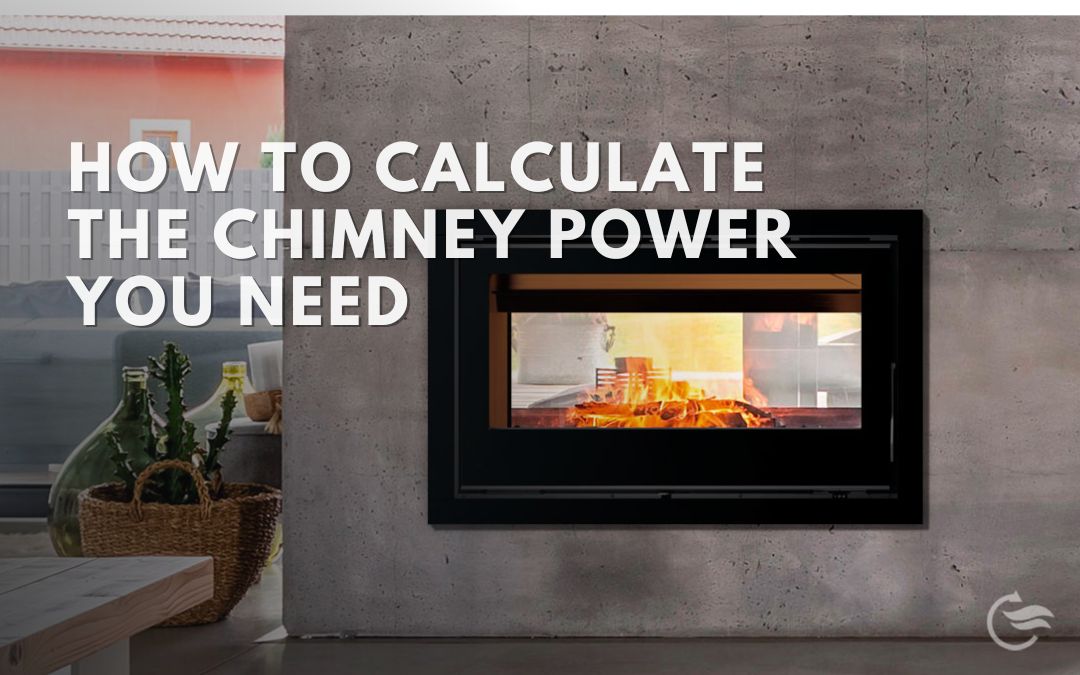
How to calculate the chimney power you need

How to calculate the chimney power you need

When choosing a chimney, power output is one of the most commonly considered indicators. Contrary to what many believe, the power rating doesn’t indicate how many square meters a chimney can heat; instead, it tells you how many kilowatts (kW) that fireplace, cassette, or stove generates. To truly understand how a home is heated, you need to factor in other variables such as insulation, local climate conditions, and the total volume (in cubic meters) of the space. With that in mind, let’s explore how you can calculate the heating power your home requires.

If you’re considering a new heating system, this is one of the first questions you should ask. To understand what it means for a chimney to have 12 or 4 kW of power, we need to provide some context. Get informed and choose an efficient heating system.

Imagine you have an open space—a large living room connected to a spacious open kitchen—and you don’t want to give up the comfort of a warm environment in winter, especially in the place where you spend the most time. Another scenario could be a home with a square layout, efficiently using every square meter, where you want the heat from the chimney to reach the entire house.

In these and similar cases, it’s essential to know what heating power you need—specifically, the thermal power—before buying a chimney.

Calculating the chimney power you need for your home

First, to determine the heating power you need for your home or room, you must calculate the volume to be heated in cubic meters.

Next, you should consider other factors such as the home’s insulation level, how the fireplace will be used, the local climate, etc.

Optimal Insulation

Assuming your home has good thermal insulation, a chimney with a power rating of 6–10 kW can heat a 100 m² house. If the square footage is smaller, a lower-powered chimney will be sufficient.

Poor Insulation

If the home lacks thermal insulation, which is quite common, you’ll need at least 0.1 kW per square meter. So, to heat a 100 m² area, you would need a chimney with approximately 10 kW or more.

Efficiency and Power

In addition to power, you must also consider the efficiency of the chimney. Efficiency refers to the ratio between the energy a system produces and the actual heat it delivers. A high-powered chimney would be of little use if its efficiency is low, as it would consume a lot of energy without producing much heat.

All of these figures are guidelines. Ideally, you should consult a specialist who can assess your specific situation and calculate the exact power you need.


SHARE ON YOUR SOCIAL NETWORKS

RELATED ARTICLES

No Results Found

The page you requested could not be found. Try refining your search, or use the navigation above to locate the post.