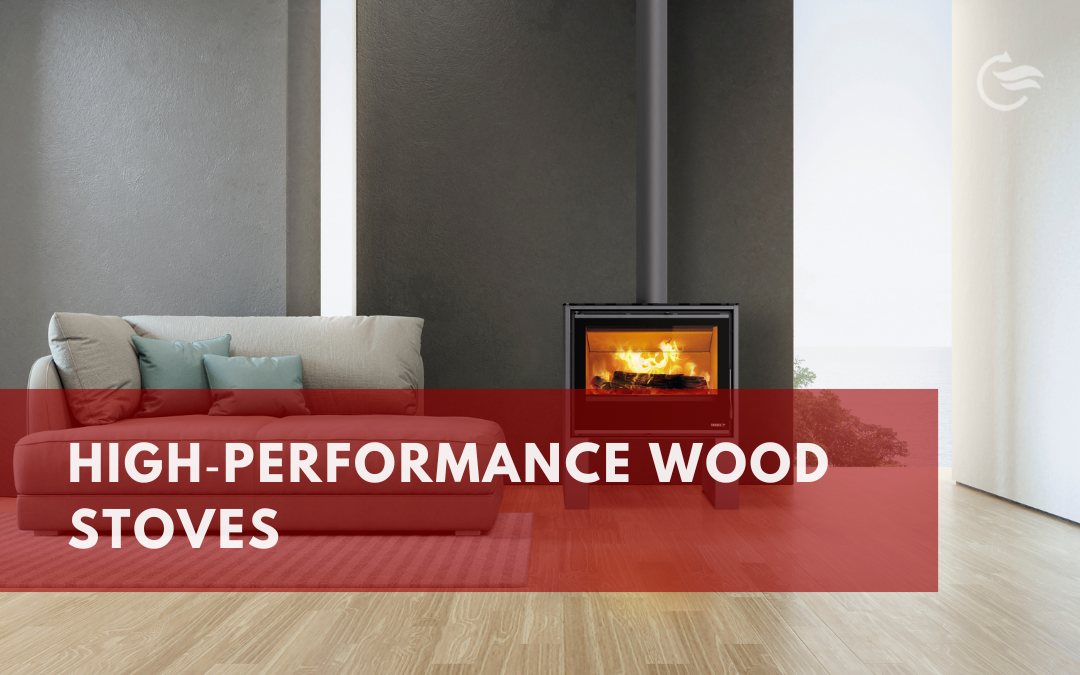
High‑Performance Wood Stoves: Efficient and Sustainable Heat
At a time when energy efficiency and sustainability are key, high‑performance wood stoves are emerging as a modern, elegant and environmentally respectful solution. In contrast to the traditional open fire — which reaches efficiencies of only about 10‑15% — a well‑designed stove can far exceed that level, reduce emissions and optimize wood consumption, something that at Carbel we have been achieving for years.
What defines a high‑performance wood stove?
For a wood stove to be considered high performance, it must meet several technical‑energy criteria:
-
High thermal efficiency:
This means that a large part of the energy of the wood is converted into usable heat for the home, not lost through smoke or inefficiency. For example, the Carbel Ares model reaches a certified efficiency of 85.09%.
-
Low CO and particle emissions:
The stove burns wood more completely and cleanly, reducing the release of carbon monoxide and pollutant residues into the environment.
-
Advanced construction and quality materials:
Combustion chambers with high‑performance linings, double combustion, external air intake, and materials such as vermiculite or white refractory (‘Thermic’) with high thermal inertia to retain heat for longer.
-
Standards and energy labeling:
Compliance with regulations such as UNE-EN 16510 or 13240, Ecodesign, etc., which ensures that the stove is designed for optimal performance.
At Carbel, we have incorporated all these characteristics into our equipment, allowing users to enjoy comfortable heat, minimize wood consumption and reduce their environmental footprint.
Advantages of installing a high‑performance wood stove
-
Actual energy savings:
By converting over 80% of wood energy into useful heat, the amount of fuel needed is reduced and, therefore, cost is lowered. Reduced emissions: Thanks to more complete combustion, fewer polluting gases and particles are emitted.
-
Greater thermal comfort:
The use of materials with high thermal inertia allows the heat to remain even after the stove is switched off.
-
Updated design and aesthetics:
Models like the Carbel Ares or the Carbel RA‑85‑2 combines efficiency with a panoramic view of the fire and design finishes, adapting perfectly to a modern home.
-
Sustainability and ecology:
By consuming less wood and emitting less, you contribute to a more responsible use of natural resources.
Frequently Asked Questions
What do I need to consider before installing a wood stove?
It is essential to check that the space has a proper flue outlet, choose a model suited to the surface area to be heated and have a professional installation that complies with current regulations. Additionally, it is advisable to plan the location to optimize heat distribution. You can expand on this topic in our article Fireplaces: Frequently Asked Questions (II).
What maintenance does a high‑performance wood stove need?
Besides periodic cleaning of the interior and removal of ashes, it is recommended to check the flue duct at least once a year. Also important is using dry wood (less than 20% moisture) and following the manufacturer’s instructions to extend the life of the appliance and maintain its efficiency. More details can be found in Maintenance of fireplaces: when to do it.
RELATED ARTICLES

Enjoy Easter with the warmth of a Carbel stove or fireplace

Double-sided fireplaces: choose a 2-in-1 solution

Prepare your home for spring with our wood-burning stoves and fireplaces

Carbel to Showcase Its Latest Products at Progetto Fuoco 2026
The advantages of wood-burning stoves compared to other heating systems