by Alba | 6 Oct, 2026 | CARBEL
A wood-burning stove can be efficient, safe and comfortable, but its performance depends largely on how it is installed. Professional installation ensures that the flue system, air supply, positioning and safety clearances are properly planned.
It also helps prevent problems later on. These may include insufficient or excessive draught, poor combustion, smoke flowing back into the room or difficulties with maintenance.
What can happen if a wood-burning stove is installed incorrectly?
An incorrectly installed wood-burning stove can affect both the performance of the appliance and overall safety.
In the current CARBEL S/RS range manual, we explain that the performance achieved depends to a large extent on the installation. We also warn that incorrect installation and inadequate maintenance can lead to serious incidents.
For this reason, before installing the appliance, it is essential to assess the intended location and its connection to the chimney system.
It is not simply a matter of finding a space where the stove fits. The property and the stove must be assessed as a complete system.
What should be planned before installing a stove?
We always recommend carrying out a professional assessment of the installation location and connecting flue beforehand.
The dimensions of the appliance, the load-bearing capacity of the floor and nearby materials should also be checked. Any work involving the flue, air supply or building structure should be planned before the appliance is installed.
This planning becomes particularly important during renovation work. It allows the stove’s technical requirements to be incorporated into the project from the outset.
Making changes later may involve altering a suspended ceiling, moving furniture or rebuilding the flue passage through the roof.
Why is the flue so important?
The flue of a wood-burning stove is not simply an accessory. It is an integral part of how the system operates.
It must be compatible with the appliance, correctly sized and capable of providing the draught required by that particular model. Its route, insulation, joints and outlet to the outside must also be carefully considered.
Whenever possible, we recommend avoiding reductions in diameter, horizontal sections and downward-running sections.
A properly planned installation should also prevent rainwater from entering the appliance.
For this reason, an existing chimney should not automatically be reused. Its characteristics should first be checked to ensure that it is suitable for the new appliance.
A good installation also makes maintenance easier
Proper planning does more than help with the first lighting. It also makes future inspections and maintenance easier. Remember that the flue must remain accessible for inspection and cleaning.
At CARBEL, we have been designing and manufacturing stoves and fireplaces since 1957. To achieve the expected performance from every appliance, it is essential to follow its technical documentation and always rely on qualified professionals for installation.
A good installation often goes unnoticed when everything works as it should. And that is precisely the best indication that it was properly planned from the outset.
by Alba | 24 Sep, 2026 | CARBEL
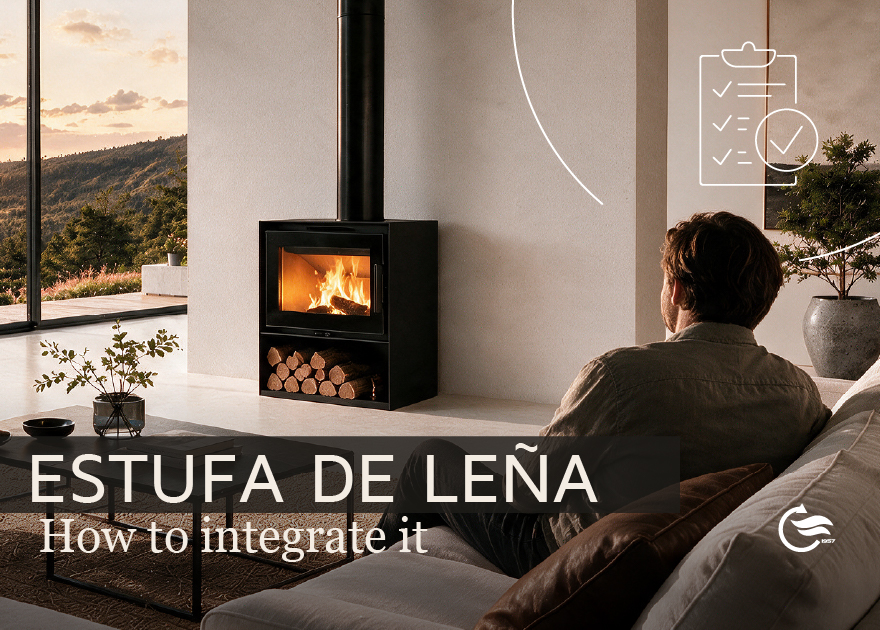
A wood-burning stove does not have to be something added at the end of a renovation. When carefully chosen and positioned, it can become the element around which the whole room is designed. Fire brings warmth, light and movement, creating a visual presence that is difficult to achieve with other decorative features.
How can you integrate a wood-burning stove into your living room?
Integrating a wood-burning stove into your décor means considering both its heating performance and its visual impact. Its position should allow for proper flue installation and effective heat distribution. From there, the stove design, surrounding materials and furniture layout can help turn it into the focal point of the room.
IDAE, the Spanish Institute for Energy Diversification and Saving, points out that biomass stoves and fireplaces mainly heat the room in which they are installed. Choosing the right position is therefore not only an aesthetic decision. It also affects how the heat is experienced throughout the space.
Fire can become the focal point of the room
In interior design, a focal point is the element that naturally draws the eye first. A wood-burning stove can fulfil this role effortlessly, particularly when it offers a wide view of the flames.
Rather than hiding it away in a corner, the seating area can be arranged around the stove. A sofa facing the fire or an armchair positioned beside it can create a welcoming atmosphere without overwhelming the room.
Models with two or three glass panels allow the flames to be enjoyed from different angles. This works particularly well in open-plan spaces or rooms connecting the dining and living areas. At CARBEL, we offer different models specifically designed to provide a wider view of the fire.
Which stove style works best with each type of interior?
The answer depends on the space, the architecture of the home and the overall effect you want to achieve. In contemporary interiors, modern wood-burning stoves with clean lines and balanced proportions work particularly well.
Our Maia Wall model, for example, can be installed either suspended from the wall or with legs. Our RI range also offers several installation options, including wall-mounted, pedestal, log-store base or decorative bench configurations. These alternatives make it easier to incorporate the stove into the interior design from the very beginning of the project.
In more rustic or natural interiors, a stove can be paired with wood, stone and warm textiles. In minimalist spaces, the opposite approach can work just as well. A clean, uncluttered wall allows the stove and the flames to take centre stage.
How to decorate around a wood-burning stove
The décor surrounding a wood-burning stove should complement it rather than compete with it. A textured wall, mineral cladding or an integrated bench can help frame the stove and create a more cohesive composition.
Firewood can also become part of the design. A dedicated log storage area adds texture and reinforces the connection with the fire. Its position must always comply with the safety distances specified by the manufacturer.
It is also worth keeping small decorative objects to a minimum around the stove. When there is a real flame, the fire itself already provides plenty of visual movement.
Where should you position a wood-burning stove without compromising on design?
Before deciding where to place a wood-burning stove, it is essential to check where it can be installed correctly.
Each model specifies its own required distances from walls, floors and combustible materials. There is no single safety distance that applies to every stove. Our own installation manuals specify different values depending on the model.
For this reason, cladding, furniture, televisions and other decorative elements should always be planned according to the installation requirements of the chosen stove.
The design works best when these practical considerations are addressed from the outset. This allows the flue, floor protection and necessary clearances to become an integrated part of the overall design.
A stove that remains part of your home all year round
A wood-burning stove remains part of the room even when it is not in use. That is why it is worth choosing it with the same care as an important piece of furniture.
At CARBEL, we have been designing and manufacturing stoves and fireplaces in Valencia since 1957, creating models that combine functionality, performance and design.
Integrating a stove into your home is not simply about finding somewhere to put it. It is about making the fire feel as though it has always belonged there.

by Alba | 11 Sep, 2026 | CARBEL
Before lighting a wood-burning stove after the summer, check its general condition, clean the firebox and inspect the flue. Use dry firewood and make sure the flue is free from obstructions.
You should also keep the area around the stove clear and check for any visible signs of damage.
These simple checks can help identify potential problems before lighting the fire. They also contribute to more stable combustion and proper stove operation throughout the season.
What should you check before lighting a wood-burning stove?
The first inspection should always be carried out with the stove completely cold.
Check the inside of the firebox, the glass, the door and the seals. You should also inspect the refractory components for cracks, deformation or displaced parts.
Air inlets must be clean and free from obstructions. Air is necessary for combustion and for maintaining proper draught.
After a long period without using the stove, at CARBEL we particularly recommend checking the chimney flue. There should be no blockages that could prevent smoke and combustion gases from being evacuated correctly.
How should you clean the stove before using it again?
Cleaning is another important part of the checklist.
Remove any accumulated ash and clean the firebox according to the instructions for your specific model. If you clean the glass, always use suitable products and methods.
In our maintenance instructions, CARBEL recommends applying the cleaner to a cloth. Avoid spraying it directly onto other parts of the door. Unsuitable chemical products may damage paint, seals or metal components.
It is also advisable to check the condition of the flue and chimney cap.
Burning wood can produce creosote deposits on the inside of the flue. A significant build-up may eventually ignite.
What is the best firewood for the first fire of the season?
Fuel quality directly affects how a stove performs.
The main recommendation is simple: use properly seasoned firewood.
At CARBEL, we recommend firewood with a moisture content below 20%. IDAE also recommends a maximum moisture content of 20% for firewood used as biomass.
Wet wood provides less useful heat and makes combustion more difficult. It can also increase smoke and residue build-up.
To start the fire, use small pieces of dry wood. You can then add suitable logs according to the loading instructions for your stove.
Never use flammable liquids to light the fire. You should also never burn plastics, household waste or other unsuitable materials in the stove.
What safety checks should you carry out?
Before the first fire, check the area surrounding the appliance.
Keep furniture, fabrics and other combustible materials away from the stove. Poor evacuation of combustion gases can increase the risk of carbon monoxide accumulating indoors.
Always follow the safety distances and specific manufacturer instructions for your stove model.
Finally, during the first fire, observe the flame and the evacuation of smoke carefully. If smoke enters the room, the draught appears insufficient or you notice any damage, stop using the stove.
Preparing your stove before the cold weather arrives only takes a little time. It also means starting the season with something much better: the warmth of the fire, without unexpected surprises.

by Alba | 21 Aug, 2026 | CARBEL
CARBEL is part of the SEGUIN Group, one of Europe’s leading players in the wood-burning heating sector. This partnership allows us to share expertise, industrial capabilities and international experience, while keeping our manufacturing operations in Valencia and preserving our own identity.
Being part of an industrial group does not mean leaving our history behind. For us, it means adding new capabilities to a journey that began in 1957.
From Valencia, we continue to design and manufacture CARBEL wood-burning stoves, fireplace inserts and fireplaces. At the same time, being part of the SEGUIN Group connects us with specialist teams across Europe.
What is the SEGUIN Group?
The SEGUIN Group is a European industrial group specialising in heating solutions using wood, pellets and other fuels.
SEGUIN was founded in France in 1976. Since then, it has developed a wide range of stoves, fireplaces and inserts. Its growth combines in-house development, acquisitions and partnerships with European manufacturers.
Today, the group has five manufacturing sites located in France, Denmark and Spain. It also operates two in-house testing laboratories to assess the performance and reliability of its products.
Which brands are part of the SEGUIN Group?
The SEGUIN Group brings together brands with different backgrounds, designs and areas of expertise within the fireplace and heating sector.
These include SEGUIN, CARBEL, HWAM, WIKING, JC Bordelet and VULX. The group also includes other industrial companies and maintains partnerships with specialist European manufacturers.
Each brand brings its own expertise. SEGUIN develops cast iron and steel appliances rooted in French tradition. HWAM and WIKING combine Danish design and technology. VULX, meanwhile, specialises in outdoor fire solutions.
At CARBEL, we contribute our expertise in steel wood-burning stoves, fireplace inserts and fireplaces manufactured in Valencia.
What does being part of the SEGUIN Group bring to CARBEL?
Being part of the SEGUIN Group expands our ability to share technology, industrial expertise and international experience.
The group brings together several production facilities and testing laboratories. This encourages the exchange of knowledge between teams specialising in combustion, materials, design and performance.
Its European reach also gives us greater insight into different markets and customer needs. CARBEL already distributes its products in more than 35 countries, reflecting our strong international outlook.
This collaboration can also be seen at industry events. In 2025, we organised a series of commercial meetings in Valencia to present the group’s different brands to distributors and industry professionals.
At Progetto Fuoco 2026, we also shared exhibition space with SEGUIN, HWAM, WIKING and JC Bordelet. Our joint presence showcased the range of solutions and expertise available across the group.
Does CARBEL still manufacture its products in Valencia?
Yes. CARBEL continues to design and manufacture its own products in Valencia, home to one of the SEGUIN Group’s European production facilities.
Our factory combines industrial machinery, specialised processes and experienced professionals. We oversee every stage, from the arrival of raw materials through to the finished product leaving the factory.
Being part of the SEGUIN Group therefore does not replace the way we work. It strengthens it through additional resources, shared expertise and an international industrial structure.
Our own identity within a shared project
CARBEL brings more than six decades of experience, Spanish manufacturing and specialist expertise in steel heating appliances to the SEGUIN Group.
We continue to work from Valencia with the same focus on design, efficiency and reliability. Today, however, we do so as part of a group that brings together different industrial cultures and different ways of understanding fire.
For us, growth means moving forward without forgetting where we come from. We are CARBEL, and we are part of the SEGUIN Group.
by Alba | 5 Aug, 2026 | CARBEL
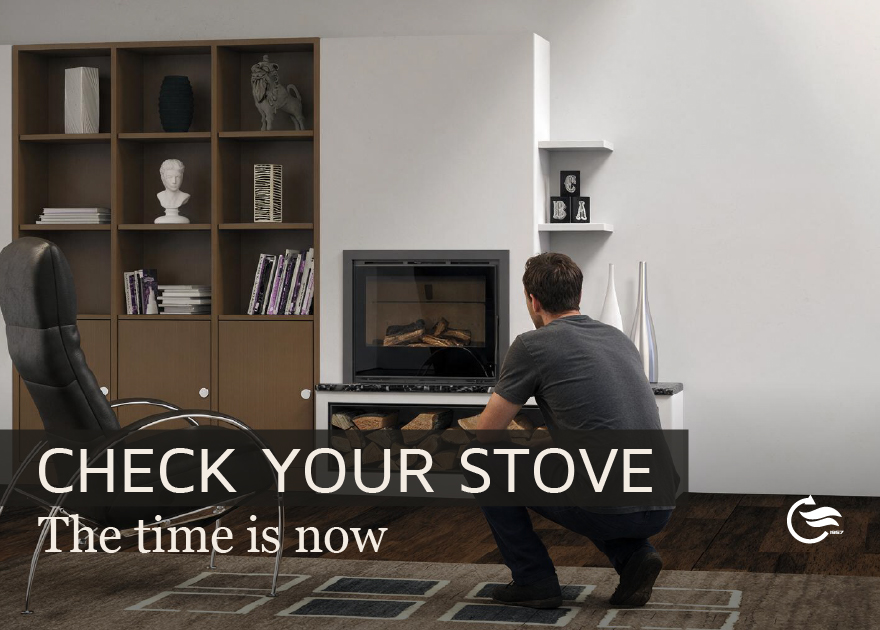
Checking your stove in summer allows you to clean it, identify signs of wear and inspect the flue before colder weather arrives. It also leaves enough time for any repairs without disrupting your home heating.
During the warmer months, the stove remains unused for longer periods. Summer is therefore the most practical time to check its condition and prepare it for the next heating season.
At CARBEL, we recommend that you do not wait until the first fire of the season. Preventive maintenance helps protect the appliance and provides greater peace of mind when you start using it again.
Why should you check your stove in summer?
Summer allows maintenance work to be completed while the appliance is cold. There is no rush, and the comfort of your home remains unaffected.
After several months of use, ash, soot and other residues may remain inside the stove. Signs of wear can also appear on the door seals, internal panels or closing mechanism.
Waiting until the cold weather arrives makes any fault more inconvenient. Stove and chimney professionals are also usually busier at the start of the heating season.
Checking your stove in summer helps you stay ahead of potential problems. It also leaves enough time to replace parts or complete any necessary repairs.
Which parts of the stove should you check?
The inspection should cover the combustion chamber, glass, door seals, internal panels and air inlets.
First, remove the ash once it is completely cold. You can then clean the glass and examine the inside of the appliance.
Check that the internal panels and baffle plate are not cracked or distorted. The door seals and closing mechanism should also be inspected.
A damaged seal can alter the airflow into the stove. This may make combustion less stable and increase the amount of residue produced.
Each model has its own specifications. Always consult the manual for your CARBEL stove before removing any components.
Why is it important to inspect the flue?
The flue must remain clean and free from obstructions so that combustion gases can escape safely.
Soot and creosote can build up with use. These deposits restrict the flow of smoke and may increase the risk of a chimney fire.
Leaves, dirt or nests may also enter the flue while the stove is not being used.
For this reason, chimney sweeping should be carried out by a qualified professional. A basic surface clean cannot replace a full inspection.
Which tasks can you carry out at home?
You can remove the ash, clean the glass and carry out a visual inspection. The stove must be completely cold before you begin.
You can also check for loose parts or visible damage. However, always use suitable cleaning products for each surface.
Do not use a standard household vacuum cleaner to remove ash. Ash can retain heat for a long time and may damage the appliance.
You should not remove technical components without first consulting the manual. When in doubt, contact a qualified professional.
How does maintenance affect stove performance?
A clean and well-maintained stove can use firewood more effectively and produce less smoke.
Deposits inside the appliance or flue can restrict the safe removal of combustion gases. Incorrect airflow may also affect how the stove is designed to operate.
A clean appliance provides greater control over combustion. This helps the stove deliver more stable and reliable performance.
Identifying a damaged seal or cracked internal panel early can also prevent more serious problems during winter.
Why should you prepare your firewood too?
The quality of the firewood directly affects ignition, heat output and the amount of smoke produced.
Wet firewood creates more smoke and encourages residue to build up. Dry wood, by contrast, supports cleaner and more stable combustion.
As a general reference, the EPA recommends using firewood with a moisture content below 20%. Wood should also be stored off the ground, protected from rain and ventilated at the sides.
Summer is a good time to organise your firewood supply and check its condition before colder weather arrives.
Common mistakes when checking a stove
The most common mistake is waiting until the first cold day. Another is cleaning only the glass and forgetting about the flue.
Some people also use chemical products as a substitute for professional chimney sweeping. These products cannot identify cracks, blockages or structural problems.
Never burn painted, treated or glued wood. Household waste must not be used as fuel either.
Frequently asked questions
How often should a wood-burning stove be checked?
As a general rule, a professional inspection should be carried out at least once a year. More frequent checks may be required depending on usage, fuel and the installation.
When is the best time to arrange an inspection?
The period between the end of the heating season and the beginning of autumn is especially convenient.
What should you do if you smell smoke?
Switch off the stove, ventilate the room and arrange an inspection before using the appliance again.
Prepare now for next winter
Checking your stove in summer helps you prepare for colder weather and keep the appliance in good condition. It also allows you to inspect the flue and prepare your firewood correctly.
At CARBEL, we have designed and manufactured wood-burning stoves since 1957. To care for each model, we recommend following its manual and entrusting technical inspections to qualified professionals.