How to clean the glass of your corner fireplace?

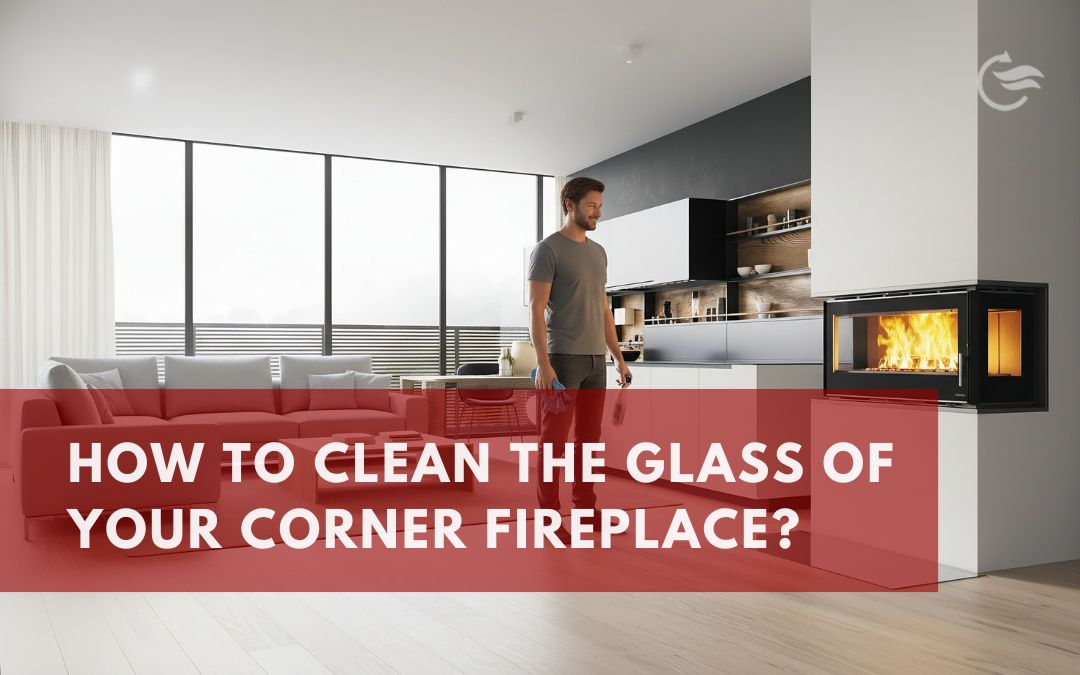
How to clean the glass of your corner fireplace?

A corner fireplace not only brings warmth to your home, but also adds style and offers a wider view of the fire from different angles of the room. To keep the glass spotless and enjoy the beauty of the flames at all times, follow these tips:

1. Clean only when the fireplace is cold

Make sure the fireplace is completely cold before cleaning. This ensures safety and protects the glass.

2. Use the right products

You can use a glass cleaner specifically designed for fireplaces, or try a highly effective homemade method: a damp paper towel with a bit of fine ash. The ash works as a gentle abrasive and won’t damage the glass.

3. Use soft, lint-free cloths

Avoid metal scouring pads or harsh chemicals. Use a soft cloth to prevent scratching the surface.

4. Pay special attention to the corners

In corner fireplaces, the glass panels are joined by a metal profile. Carefully clean this area to remove any built-up soot.

5. Prevention: quality firewood and proper airflow

Use dry firewood with low resin content and ensure efficient combustion — this will significantly reduce glass dirt and soot.

Carbel Tip: 

Our models with Thermic interiors and a double combustion system help keep the glass cleaner for longer, thanks to a more efficient and cleaner burn.

Got questions about your fireplace maintenance? Contact us. website: carbel.net/en

SHARE ON YOUR SOCIAL NETWORKS

RELATED ARTICLES

How to Bake Bread in Your Wood Stove with Oven

How to Bake Bread in Your Wood Stove with Oven

Who doesn’t love bread?

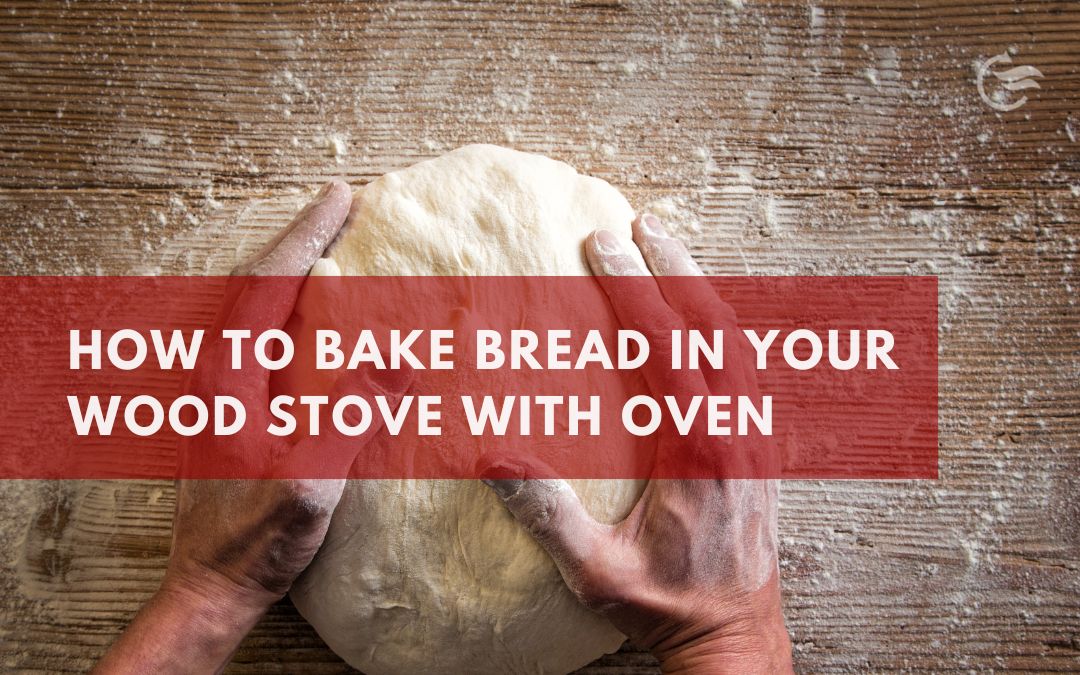
The combination of its aroma, flavor, and the sound of the crust when it crackles makes our mouths water. There’s nothing better than buying a good loaf to make sandwiches, toast, or tapas… except baking your own bread in your wood stove with an oven.

Stoves with ovens are one of the best options available for cooking. Depending on the model you have at home, your oven’s capacity can be quite large, allowing you to bake several batches of bread at once. But it’s not just the size that makes these stoves stand out. Typically, they feature an easy-to-clean system, so if you’re worried about making a mess in the oven, don’t worry—you can easily disassemble it for proper cleaning. Finally, it’s worth noting that the oven’s lining is made of stainless steel with a refractory base and a thermometer, which helps improve both performance and energy efficiency.

Given all that, if you want to get the most out of your stove with oven and learn how to bake homemade bread with the unique flavor of wood fire, keep reading. We’ve got the perfect recipe—and the result will surprise you!

Steps to Make Homemade Bread in Your Stove with Oven

Making homemade bread with your stove oven is very simple. Once you try it, you won’t be able to resist testing other oven-stove recipes! To start, you’ll need the following ingredients:

  • 600 grams of all-purpose wheat flour

  • 400 grams of strong (bread) flour

  • 450 milliliters of warm water

  • 20 grams of yeast

  • Half a teaspoon of salt

Now just follow these steps:

  1. In a bowl, mix the two types of flour, sifting them to avoid lumps, and add the salt. Then add the yeast and mix again.
  2. Create a well in the center of the mixture and slowly start adding the water while mixing with a whisk or mixer until the dough forms. If the dough seems too dry, add more water; if too wet, add more flour.
  3. Time to unleash your inner baker and knead the dough: sprinkle a bit of flour over the dough and knead by hand for about ten minutes. Shape it into a ball, cover it with a damp cloth, and let it rise for one hour. Then repeat the process: knead for another ten minutes and let it rise for another hour.
  4. Time to place the bread in the oven! Make sure it’s nice and hot, then simply put the dough inside and bake for thirty minutes.
  5. Now comes the best part: take the bread out, let it cool, and decide how you want to enjoy it.

With this recipe, you’ll get a delicious result and make the most of your stove with oven. What are you waiting for? It’s a piece of cake—well, bread!

SHARE ON YOUR SOCIAL NETWORKS

RELATED ARTICLES

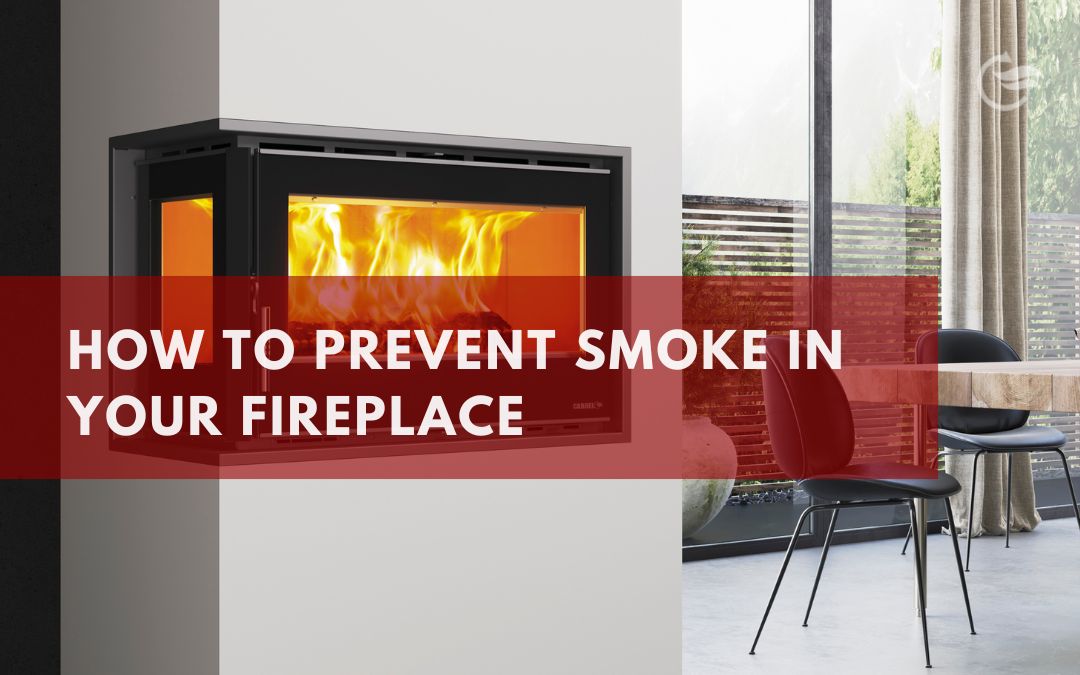
How to prevent smoke in your fireplace

How to prevent smoke in your fireplace

One of the main concerns for homeowners installing a fireplace is learning how to avoid excessive smoke—since it can be bothersome both inside your home and to neighbors.

First and foremost: it is not normal for a fireplace to produce smoke inside your home. If this happens, it means the combustion process is not correct—whether due to improper wood burning, air regulation issues, or chimney draft—and it needs to be addressed. Here’s how to resolve it:

How to prevent your fireplace from producing excessive smoke

Use suitable Wood. Make sure it is thoroughly dry (no moisture), because wet wood generates excessive smoke as the water evaporates. It also causes soot to cling to the glass. Avoid resinous woods (e.g. pine), which produce more smoke when ignited.

Keep the chimney draft clean. An insufficient draft or heavy residue negatively affects the fireplace’s correct operation. It’s recommended to have the chimney swept one to two times per year, depending on usage.

Follow proper ignition procedure. If you close the door or air vents too quickly after lighting, you block the oxygen needed for combustion. The resulting smoke will dirty the glass and cause inefficiency.

By following these recommendations, you will ensure correct combustion, avoid excessive smoke, maintain cleaner glass, and prevent unpleasant odors.


SHARE ON YOUR SOCIAL NETWORKS

RELATED ARTICLES

No Results Found

The page you requested could not be found. Try refining your search, or use the navigation above to locate the post.

How to Easily Light a Fireplace Fire

How to Easily Light a Fireplace Fire

If you’re inexperienced, lighting a wood-burning fireplace can be a bit tricky. At Carbel, we’re here to give you several tips and guidelines to make the process easier.

First things first: get your firewood ready.

There are different types of wood, and depending on what kind you use, lighting your fireplace may be more or less difficult. The most important thing is to use dry wood.

Steps to Light a Fireplace Fire

1. Make safety your first priority.
Keep any flammable objects away from the fire area to avoid accidents.

2. Make sure the vents are open.
Good ventilation is key. Open vents help smoke escape properly and reduce the risk of hazards.

3. Place the wood inside the fireplace.
As mentioned, use dry wood. Moist wood can cause the fire to go out easily and produce excessive smoke.

How much wood should you use?
Don’t overdo it. Fire needs oxygen to burn, and too much wood can block airflow and smother the flames.

A couple of logs along with some small twigs should be enough to get started. You can add more wood later as needed.

4. Build your wood pile properly.
Place the smaller twigs at the bottom and the larger logs on top, forming a stack. The thin twigs catch fire quickly and help sustain the flame until the larger logs begin to burn.

At this stage, you can also use firelighters or crumpled newspaper to make lighting easier.

5. Create airflow inside the fireplace.
You’ve probably heard that blowing on a fire helps it ignite. That’s because airflow helps bring oxygen to the flames, which is essential for combustion. Without it, smoke can displace the oxygen and hinder the fire.

Creating a gentle draft inside the fireplace—or using a bellows to direct air toward the fire—will make it much easier to get things going.

At Carbel, our fireplaces feature a primary air intake system with more than 50% opening through the grate, making it easier to start or revive the fire.

SHARE ON YOUR SOCIAL NETWORKS

RELATED ARTICLES

No Results Found

The page you requested could not be found. Try refining your search, or use the navigation above to locate the post.

Have you ever wondered why the glass on your fireplace gets dirty?

Have you ever wondered why the glass on your fireplace gets dirty?

Have you ever wondered why the glass on your fireplace gets dirty?

Even though its appearance doesn’t affect how it works, it can certainly be an eyesore and even make it harder to see the fire. Below, we explain the reasons why your fireplace glass might accumulate dirt and how to prevent it.

Reasons why your fireplace glass gets dirty

If the glass on your fireplace gets dirtier than usual, it’s most likely due to one of the following:
Damp firewood: If the firewood you use contains moisture, the water that evaporates when burned will produce a lot of smoke, which sticks to the glass and blackens it. Ideally, firewood should be stored in a covered and well-ventilated place so it can dry out and stay protected from rain or humidity.
Green wood: This refers to wood that contains a lot of resin or has been recently cut. The sap or resin contributes to the blackening of the glass.
Poor or insufficient draft: If your fireplace doesn’t have proper draft, the combustion of the wood won’t be optimal, and smoke will be evacuated very slowly. That’s why it’s important to trust specialists for the installation to ensure proper draft, as well as regular maintenance and chimney sweeping.
Incorrect fireplace lighting: If you light the fireplace and immediately close the door or the air regulators, you’ll be cutting off the oxygen necessary for combustion. The excess smoke that results will end up staining the glass.
The fireplace doesn’t have a clean glass system: The clean glass system is a technology that creates a screen of hot air between the glass and the fire. This prevents the smoke from coming into direct contact with the glass, keeping it clean. Carbel fireplaces, for example, feature this system to enhance your enjoyment of the fire.
If you take these factors into account and clean the glass of your fireplace from time to time, it will maintain its appearance so you can enjoy the fire in your home without any issues.

SHARE ON YOUR SOCIAL NETWORKS

RELATED ARTICLES

No Results Found

The page you requested could not be found. Try refining your search, or use the navigation above to locate the post.