No Results Found
The page you requested could not be found. Try refining your search, or use the navigation above to locate the post.
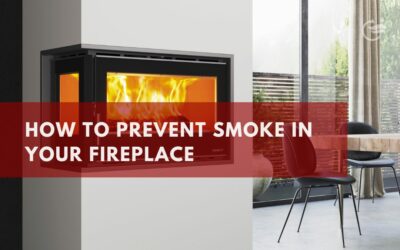
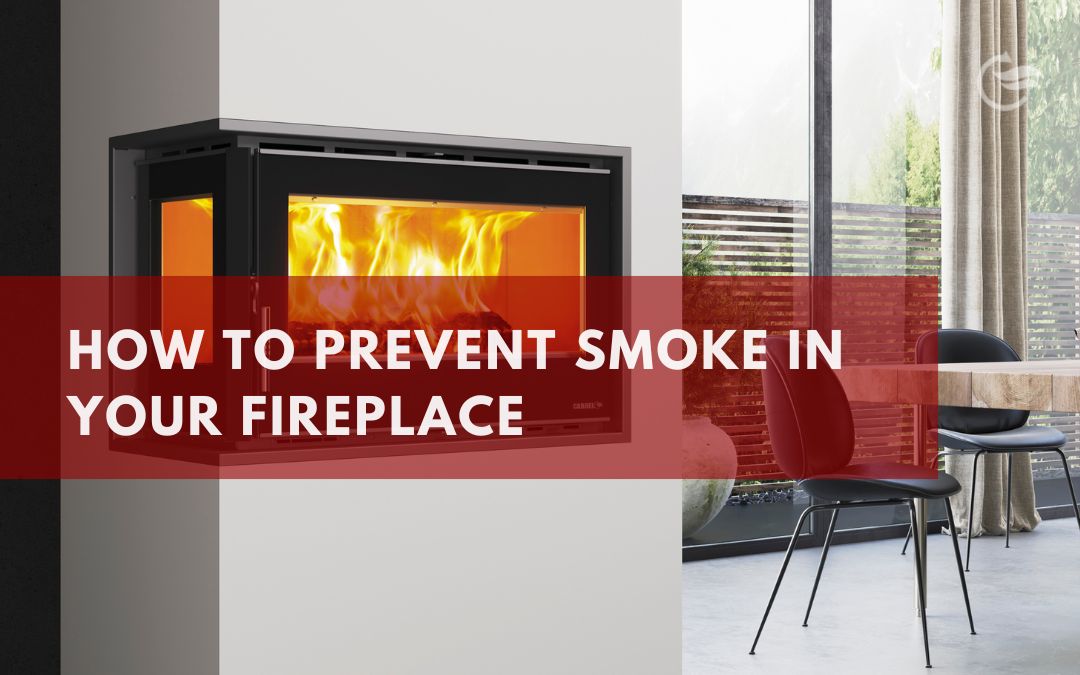
One of the main concerns for homeowners installing a fireplace is learning how to avoid excessive smoke—since it can be bothersome both inside your home and to neighbors.
First and foremost: it is not normal for a fireplace to produce smoke inside your home. If this happens, it means the combustion process is not correct—whether due to improper wood burning, air regulation issues, or chimney draft—and it needs to be addressed. Here’s how to resolve it:
Use suitable Wood. Make sure it is thoroughly dry (no moisture), because wet wood generates excessive smoke as the water evaporates. It also causes soot to cling to the glass. Avoid resinous woods (e.g. pine), which produce more smoke when ignited.
Keep the chimney draft clean. An insufficient draft or heavy residue negatively affects the fireplace’s correct operation. It’s recommended to have the chimney swept one to two times per year, depending on usage.
Follow proper ignition procedure. If you close the door or air vents too quickly after lighting, you block the oxygen needed for combustion. The resulting smoke will dirty the glass and cause inefficiency.
By following these recommendations, you will ensure correct combustion, avoid excessive smoke, maintain cleaner glass, and prevent unpleasant odors.
RELATED ARTICLES
The page you requested could not be found. Try refining your search, or use the navigation above to locate the post.
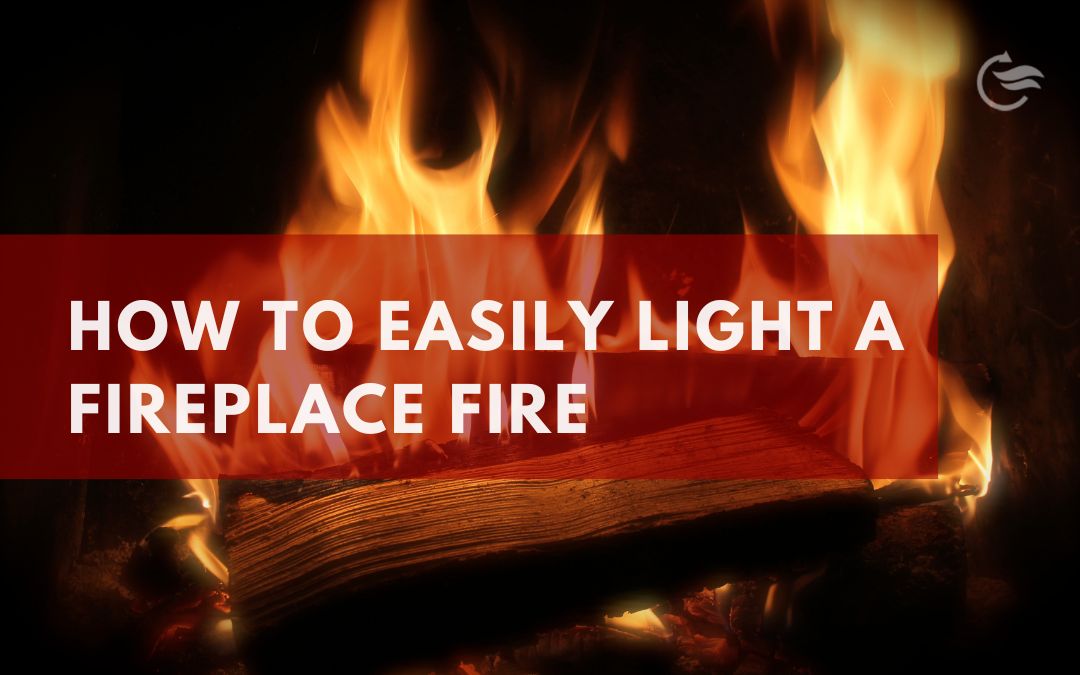
If you’re inexperienced, lighting a wood-burning fireplace can be a bit tricky. At Carbel, we’re here to give you several tips and guidelines to make the process easier.
There are different types of wood, and depending on what kind you use, lighting your fireplace may be more or less difficult. The most important thing is to use dry wood.
1. Make safety your first priority.
Keep any flammable objects away from the fire area to avoid accidents.
2. Make sure the vents are open.
Good ventilation is key. Open vents help smoke escape properly and reduce the risk of hazards.
3. Place the wood inside the fireplace.
As mentioned, use dry wood. Moist wood can cause the fire to go out easily and produce excessive smoke.
How much wood should you use?
Don’t overdo it. Fire needs oxygen to burn, and too much wood can block airflow and smother the flames.
A couple of logs along with some small twigs should be enough to get started. You can add more wood later as needed.
4. Build your wood pile properly.
Place the smaller twigs at the bottom and the larger logs on top, forming a stack. The thin twigs catch fire quickly and help sustain the flame until the larger logs begin to burn.
At this stage, you can also use firelighters or crumpled newspaper to make lighting easier.
5. Create airflow inside the fireplace.
You’ve probably heard that blowing on a fire helps it ignite. That’s because airflow helps bring oxygen to the flames, which is essential for combustion. Without it, smoke can displace the oxygen and hinder the fire.
Creating a gentle draft inside the fireplace—or using a bellows to direct air toward the fire—will make it much easier to get things going.
At Carbel, our fireplaces feature a primary air intake system with more than 50% opening through the grate, making it easier to start or revive the fire.
RELATED ARTICLES
The page you requested could not be found. Try refining your search, or use the navigation above to locate the post.
RELATED ARTICLES
The page you requested could not be found. Try refining your search, or use the navigation above to locate the post.
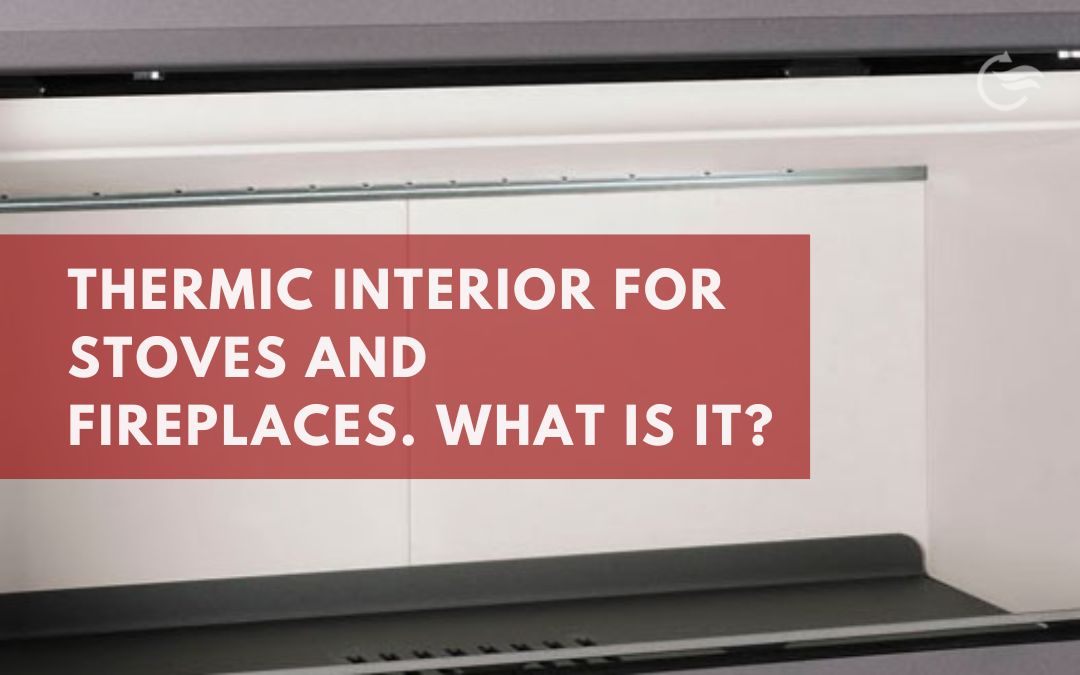
The combustion chambers in a stove or fireplace are fundamental for heat generation. There are different types of interior linings for these chambers, such as Thermic or vermiculite, which enhance efficiency and temperature during combustion.
The Thermic Interior is a key innovation that significantly improves the efficiency and performance of stoves and fireplaces. Its advantages include:
Carbel, a recognized manufacturer and brand in the sector, offers a range of stoves and fireplaces with this interior.
You can find this type of chamber in the entire I100 fireplace insert line:
The ARES stove model.
The RA stoves with three glass panels, available in various sizes.
For more information, we recommend consulting our new catalog of stoves and fireplaces.
RELATED ARTICLES
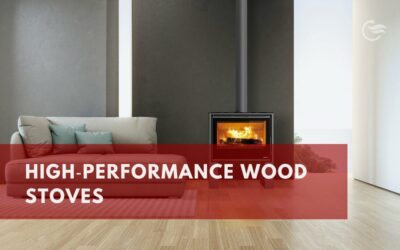
Both fireplaces and modern stoves are sophisticated units that generate heat through the combustion of raw material. This chemical process creates a warm and homey atmosphere. However, what are the differences between these two heating units?
First of all, both modules have two parts: the hearth, where the combustion process takes place, and the vertical duct, dedicated to expelling all the smoke and residues resulting from combustion. However, the architecture of the two is quite different.
Wood burning stoves are usually made of cast iron or steel. This way, they deliver most of the heat to a single room. Thus, stoves do not have a covering and leave the evacuation tube exposed.
On the other hand, the hearth of fireplaces can be a simple metal box with ventilation, also called an insert or cassette fireplace, or it can be a cavity that includes refractory materials, that is, materials that withstand high temperatures without decomposing.
Furthermore, in fireplaces, the gas evacuation tube is always hidden through a hood or an embedded wall, thus discreetly distributing heat throughout our home.
It’s not just an aesthetic issue, but a major difference in heat production and energy efficiency. Thanks to a panel or a glass door, the temperature inside the combustion chamber is increased.
Speaking in figures, an open fire has just a 15% efficiency, while a modern wood burning fireplace or stove reaches an energy efficiency of over 78%, allowing us to heat our home using less wood.
Also, a closed fire produces cleaner and more efficient combustion since the smoke is extracted through a labyrinth of tubes. An open fireplace emits 15 times more CO2 than a closed one.
At Carbel, we specialize in wood burning stoves, cassettes, and thermal fireplaces, offering a functional, effective product that matches current designs. For any questions or inquiries, do not hesitate to contact us.
RELATED ARTICLES