
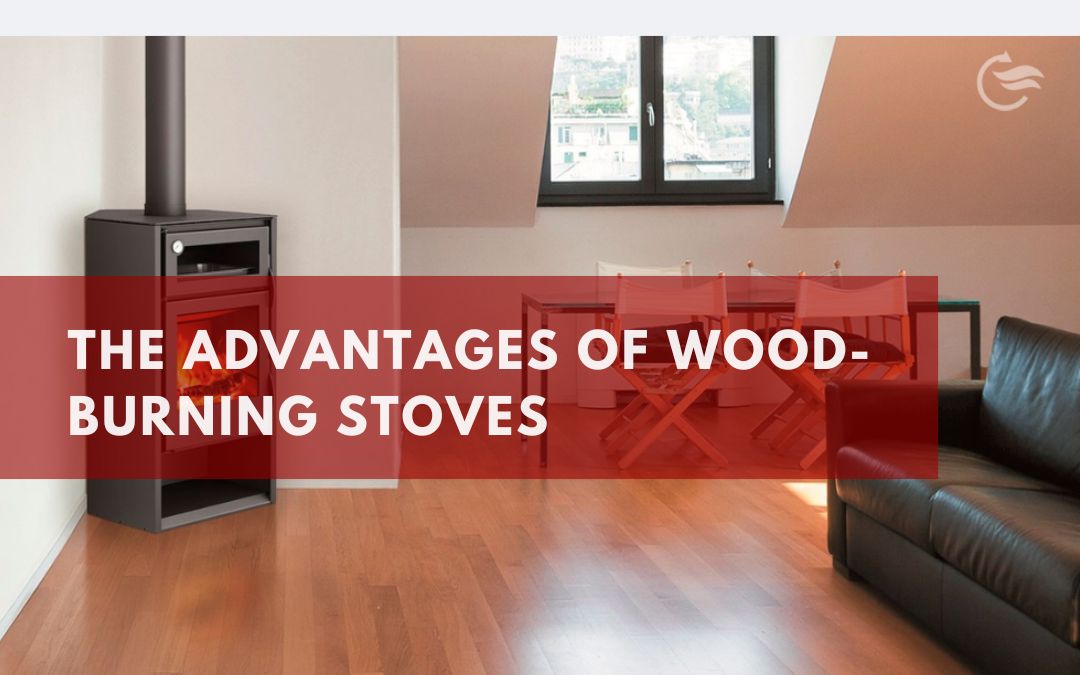
Wood-burning stoves generate heat through the combustion of biomass. This type of heating system offers many advantages over other heating solutions. Would you like to know what they are? We explain them in this post.
What are the advantages of wood-burning stoves?
As mentioned above, there are many benefits to choosing wood-burning stoves as a heating system for your home. At Carbel, we would highlight the following:
Use of renewable energy.
Without a doubt, this is one of the most important advantages of wood-burning stoves. They use natural energy sources such as firewood to generate heat—resources that can be virtually inexhaustible.
Firewood is one of the most economical energy sources.
In recent years, there has been a significant increase in the price of other energy sources such as electricity, gas and diesel. Compared to these, firewood remains one of the most affordable options. Combined with the high efficiency of modern stoves, this allows you to heat your home at a lower cost.
Firewood is an independent and easily accessible energy source.
Firewood is easy to find, as there are an increasing number of distribution points. It can even be purchased online and delivered directly to your home, making it readily available with minimal effort. Firewood is therefore one of the most accessible energy sources.
Minimal environmental impact.
When burned, firewood releases the same amount of CO₂ that the tree absorbed during its life cycle. This makes it a renewable and carbon-neutral fuel with a minimal impact on the environment.
Finally, we cannot forget the charm of fire.
Having a wood-burning stove at home adds warmth, character and a unique sense of comfort to your living space.
As you can see, these are some of the advantages of having a wood-burning stove in your home. And you—what do you value most about having one?
RELATED ARTICLES
What problems can too little or too much chimney draught cause in a wood-burning stove?

How should you plan the installation of a wood-burning stove to avoid problems?

How to integrate a wood-burning stove into your home décor
How should you prepare a wood-burning stove before the first fire of the season?

CARBEL and the SEGUIN Group: growing without losing our identity